Is HeyTea Worth the Price? A Real Cost-Per-Sip Breakdown
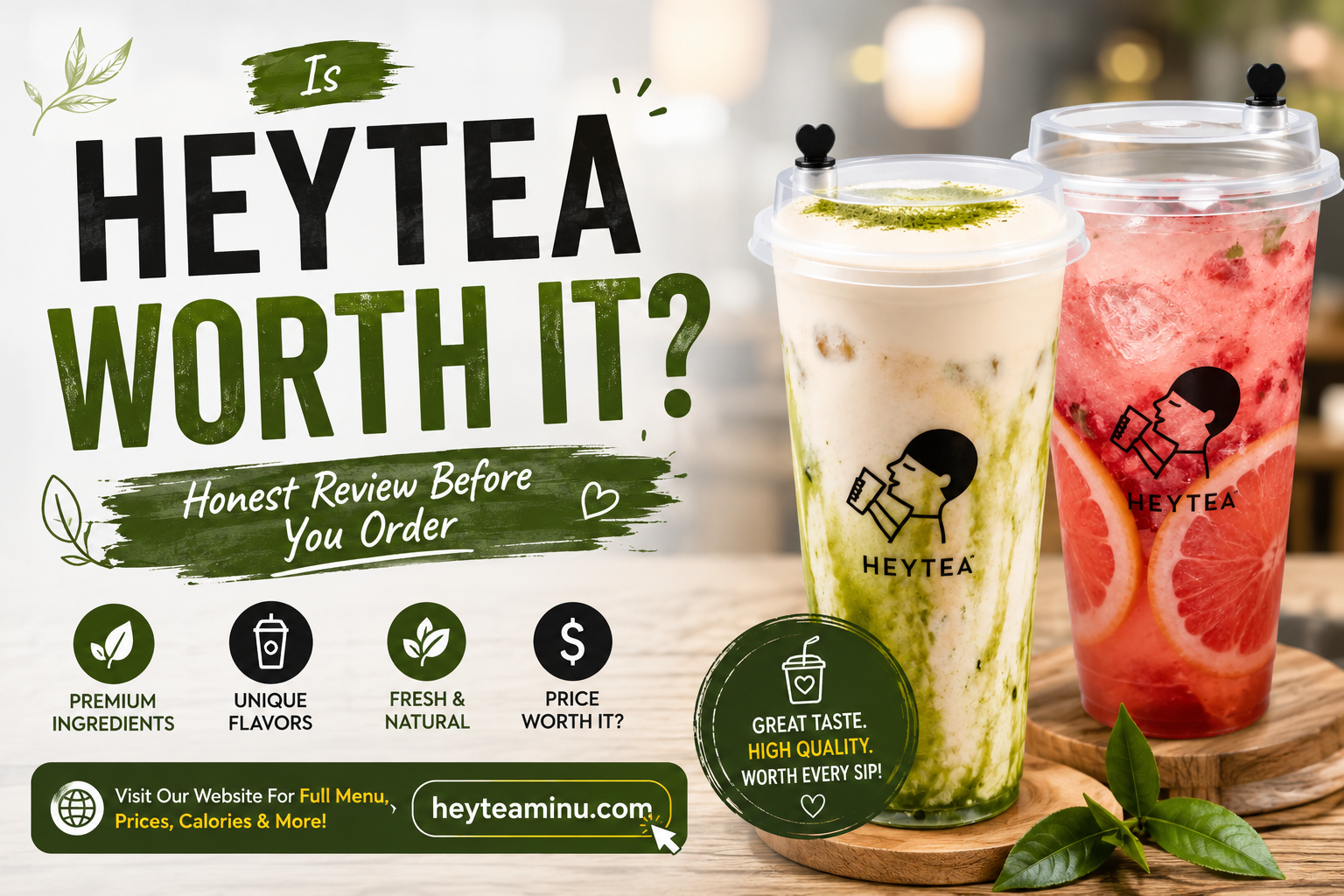
A HeyTea drink runs $7 to $11 depending on size and toppings. A drink at a standard US boba chain runs $5 to $6.50. That gap is real, and it’s the first thing most people ask before trying HeyTea for the first time: is the difference actually worth it, or are you just paying for the branding?
We broke this down by what you’re actually paying for, where the extra cost holds up, and where it doesn’t—so you can decide before you order rather than after.
Where the Price Difference Actually Comes From
Three things separate HeyTea’s cost structure from a typical boba shop, and they’re not all equally noticeable in the cup.
Real tea instead of powder. Most budget boba chains use tea powder mixed with water, which is cheaper and faster to prepare but noticeably flatter in flavor. HeyTea brews from actual tea leaves — jasmine, oolong, black, and green — which is a real ingredient cost, not just a marketing line. This is the one difference you can taste clearly, even in a plain milk tea with no toppings.
Real fruit instead of syrup. Fruit teas at HeyTea use actual fruit pulp and pieces rather than flavored syrup bases. This is the second biggest source of the price gap and also the second most noticeable difference—a mango drink tastes like mango, not like mango-flavored sugar water.
The cheese foam. HeyTea’s signature topping—a lightly salted whipped cream-cheese layer—adds real cost (milk, cream, cheese) and is also the ingredient most responsible for the “$9.99 for a tea” sticker shock. It’s the one addition where value is more subjective: some people find it transforms the drink; others find it an unnecessary $1–2 add-on to a drink that was already good without it.
What You’re Not Paying For
Store design and US real estate costs are part of the price too, and it’s worth being honest about that. HeyTea’s US locations—Manhattan, Beverly Hills, and Times Square—sit in some of the most expensive retail space in the country. Some of what you pay covers that overhead, not the drink itself. This isn’t unique to HeyTea; it’s true of most premium chains expanding into flagship US markets. But it does mean the price gap versus a regional boba shop isn’t 100% ingredient quality—some of it is rent.
The Honest Value Verdict, By Drink Category
Not every category earns its price tag equally. Here’s where the extra cost holds up and where it doesn’t, based on what’s actually different in the cup:
| Category | Worth the premium? | Why |
|---|---|---|
| Fruit Tea | Yes | Real fruit is the clearest, most consistent quality difference — you taste it every time. |
| Signature Cheese Tea | Mostly | The foam genuinely changes the drink, but it’s the priciest category and the one most dependent on personal taste. |
| Plain Milk Tea | Yes, if you drink tea often | Real brewed tea is noticeably better than powder, but casual drinkers may not notice enough to justify the gap. |
| Matcha Latte | Borderline | Good quality matcha, but matcha lattes are one of the few categories where several competitors match the quality at a lower price. |
| Bobo/Brown Sugar Milk Tea | Borderline | Solid, but this is the most “standard boba shop” category — the format doesn’t differ much from cheaper alternatives. |
A Simpler Way to Decide
If you’re trying HeyTea for the first time and want to know whether it’s worth it without ordering the whole menu, this is the fastest way to test it: order one fruit tea (no cheese foam) and one signature cheese tea. The fruit tea will tell you whether the “real ingredients” difference matters to your palate. The cheese tea will tell you whether the signature format is worth the extra dollar or two. Between those two drinks, you’ll know within one visit whether HeyTea earns a regular spot in your rotation or was a one-time try.
The Short Answer
HeyTea is worth the price if you actually taste the difference between brewed tea and tea powder and between real fruit and fruit syrup—which most fruit tea and plain milk tea drinkers do, even if they can’t always name what changed. It’s a harder case to make for the heavier cheese foam and matcha drinks, where you’re paying more for format and branding than for a clear quality jump over cheaper alternatives.
The honest takeaway: it’s not that HeyTea is overpriced; it’s that the premium is uneven across the menu. Some drinks earn it easily. Others are closer to a toss-up.